
A first-time buyer once read our quote for 100 custom plates and replied, “You must be kidding me.” New brands and independent designers often expect metal hardware to be cheap — it's small, so it should be inexpensive. Then the quote lands and it feels backwards: the fewer you order, the more each piece seems to cost.
The short answer is fixed costs. Custom hardware carries one-time costs — the mold, the sampling, the machine and plating setup — that barely change whether you make 100 pieces or 10,000. On a small run, those costs are split across very few units, so each piece carries a bigger share. It is not that the metal is expensive; it is that the setup is the same either way.
This is the part most buyers never see priced out. Below is where the money actually goes on a small custom run — fixed costs, the hidden steps between a drawing and a finished part, and the capacity trade-off a factory makes to run a small job at all — plus the practical ways to bring the per-piece cost down.
Fixed costs: the same whether you make 100 or 10,000
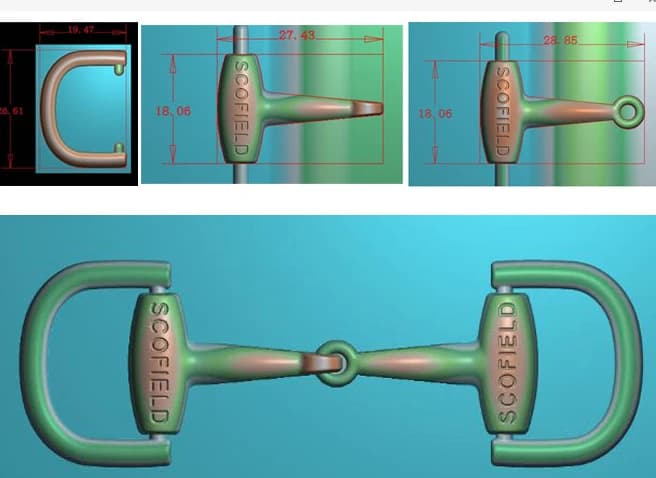
Fixed costs are the costs you pay once, no matter the quantity, and tooling is the clearest example. A simple nameplate mold might typically run a few hundred RMB; a more intricate one runs higher, depending on the process. Spread a mold like that over 100 pieces and the tooling alone adds only a few to ten-odd RMB to each. Spread the same mold over 10,000 pieces and it comes to a fraction of a RMB — almost nothing. That is the real reason unit prices fall with volume — not because the metal got cheaper, but because the fixed cost got thin.
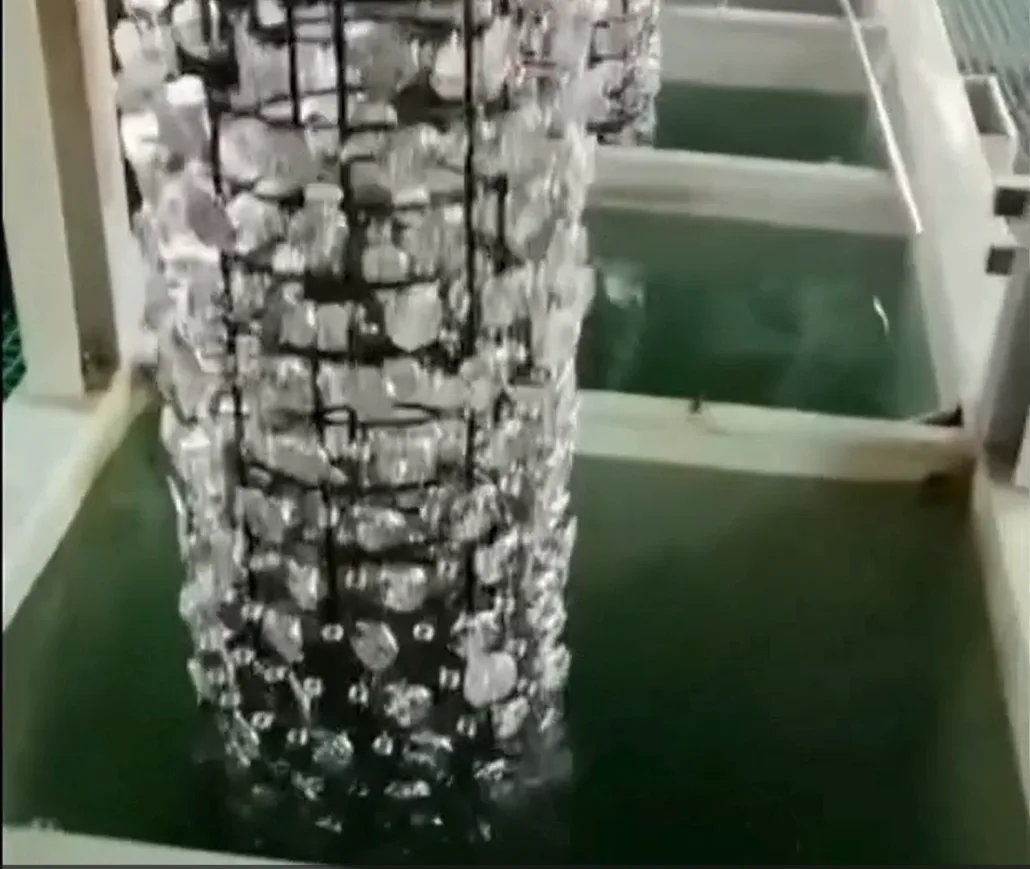
Tooling is not the only one-time cost. There is the artwork and pattern work, the sampling, and the setup to get a machine and a plating line running for your specific part. Once a plating line is set up, the chemistry, the racking and the labor to dial it in cost about the same whether 100 pieces or 1,000 hang on the line. These setup costs sit inside every run, and on a small one they have nowhere to hide.
The extreme version sticks with you. One buyer once needed around 50 highly complex buckles. The tooling for an intricate part like that sits at the higher end, and split across only 50 pieces it loaded real cost into every piece. Nothing was overpriced; the mold simply costs what it costs, and 50 pieces is a very thin base to spread it over.
- Tooling: a one-time mold cost, spread across however many pieces you run
- Artwork and pattern setup, before sampling can even start
- Machine and plating-line setup — similar effort for a small or a large run
- The fewer the pieces, the larger each one's share of all of the above
The hidden steps between a drawing and a finished part
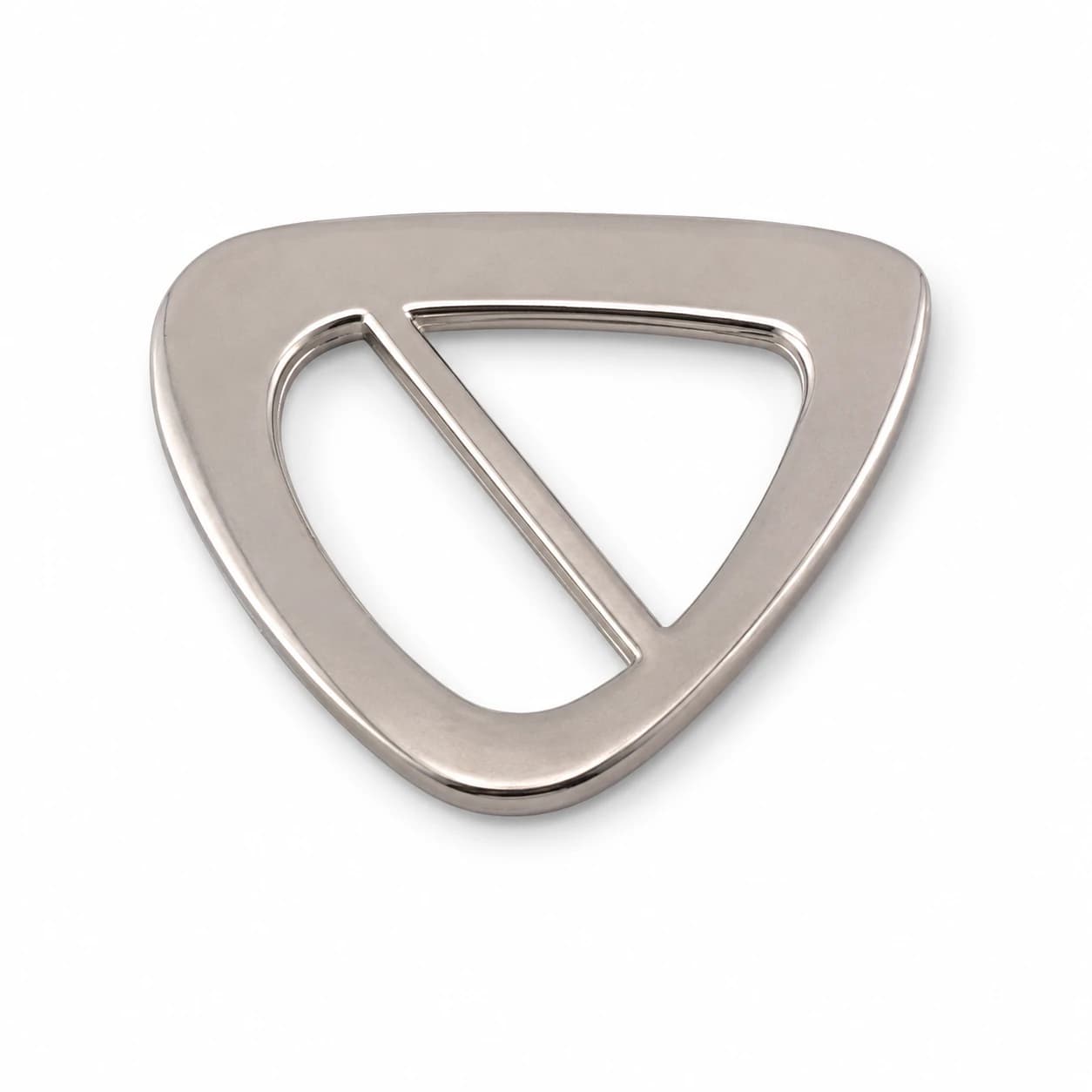
Plenty of buyers price only the metal — “it's a bit of zinc, how much can it be?” But between a drawing and a part on a bag there are a dozen steps, and each one costs something. First, design and sampling: a sketch has to become a 3D model and an engineering drawing, the structure checked, the mold cut, a first sample run, reviewed, adjusted, sampled again. That loop can take anywhere from a week to a couple of weeks, and every round is engineer time, mold-maker time, and wasted material.
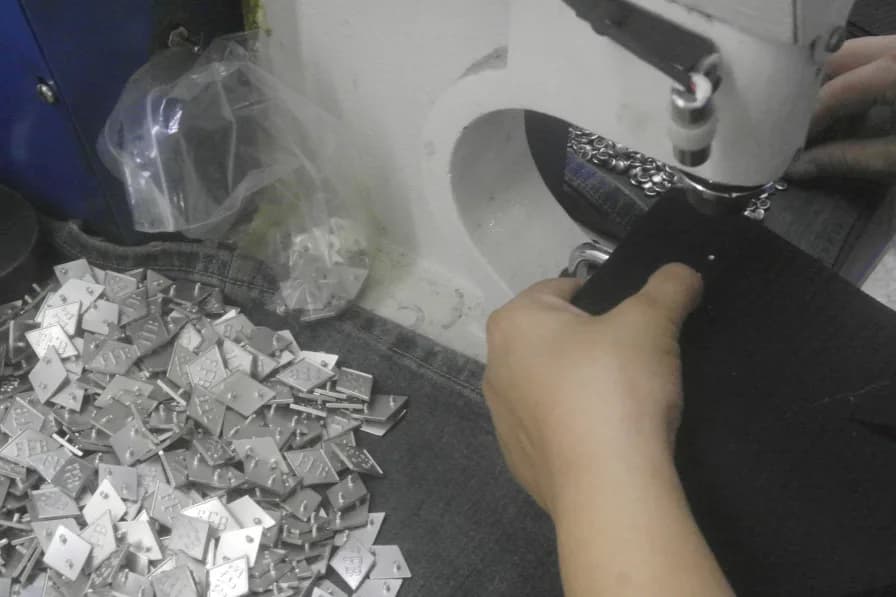
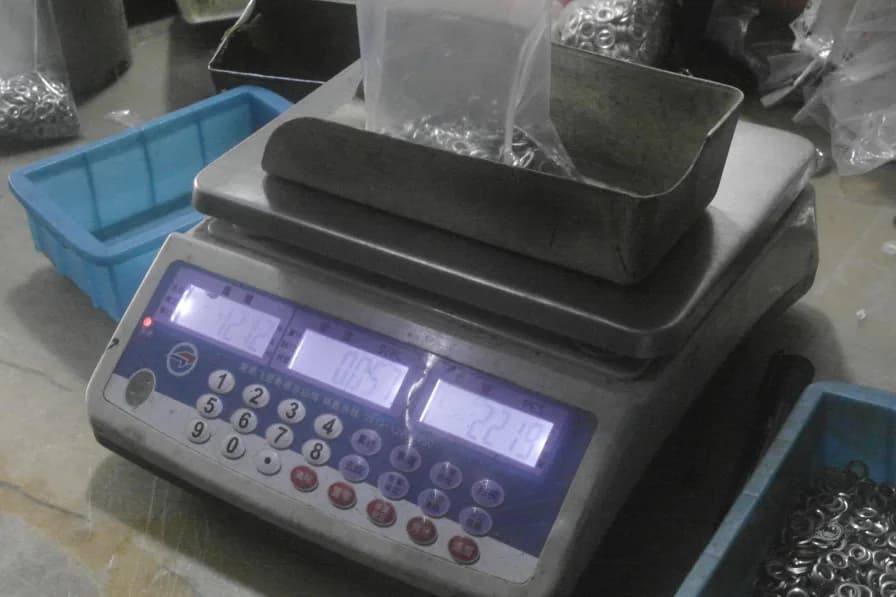
Then there is production loss. Metal hardware is never 100% good straight out of the machine — a casting can have porosity, polishing can leave a scratch, plating can shift color. So we always start more pieces than the order needs, to land enough good ones. On a big run that overage is easy to absorb. On a small run, where there is no time to settle the process before the job is finished, that loss is a bigger slice of the total.
Last, inspection and packing. A small order still gets fully checked and packed piece by piece. On a large run that labor spreads thin per unit; on a small one the same handling lands on far fewer pieces, so it shows up more in the price.
Capacity: a small job means turning down a bigger one
This one buyers rarely hear, but it is the honest reality of a factory floor. Capacity is finite. A line running your 100-piece job today is a line not running a larger order — and a changeover between jobs (a new mold, new parameters, a different plating color) can eat anywhere from half a day to a full day. That time has a value, and on a small order part of it has to be recovered.
It is also why many larger factories set high minimums. It is not snobbery about small brands; a changeover that eats hours is simply hard to justify for a short run. That is the gap flexible, small-batch-oriented factories have grown to fill — set up for low quantities, with minimums far below a bulk-only plant. The trade is straightforward: a small run costs more per piece than bulk pricing. That is not a markup; it is the math of the setup.
How we bring the per-piece cost down with buyers
When a buyer pushes back on a small-run quote, we do not just defend the number — we break it down line by line, the way we did for that first “you must be kidding me” inquiry. Once the fixed costs are visible, the price usually stops feeling arbitrary. From there, a few practical moves genuinely lower it.
First, use an existing mold. We keep hundreds of molds on the shelf; if your design can sit on one with a logo swap or a color change, the biggest fixed cost — new tooling — largely disappears, and you skip a sampling round too. Second, lock the design before sampling. Every after-the-fact change to a dimension or a detail can mean re-cutting the mold and re-sampling, and each of those is a fresh cost; settling it up front is the cheapest version. Third, think in phases. If you need 100 now but expect to reorder, say so — a factory that can see a 500-piece path over the next few months has room to work with you on the first run.
And the honest framing we give every new brand: a small custom run is buying flexibility and low risk. You get your own hardware without committing to thousands of pieces of inventory, and your cost to test the market stays low. Per piece it looks expensive; as a way to launch without tying up capital, it is often the cheap option.
- Start from an existing mold where the design allows — a logo or color change skips new tooling
- Lock dimensions and details before the mold is cut, to avoid re-tooling and re-sampling
- Flag likely reorders up front, so a phased path can be priced in
What to send for an accurate small-run quote
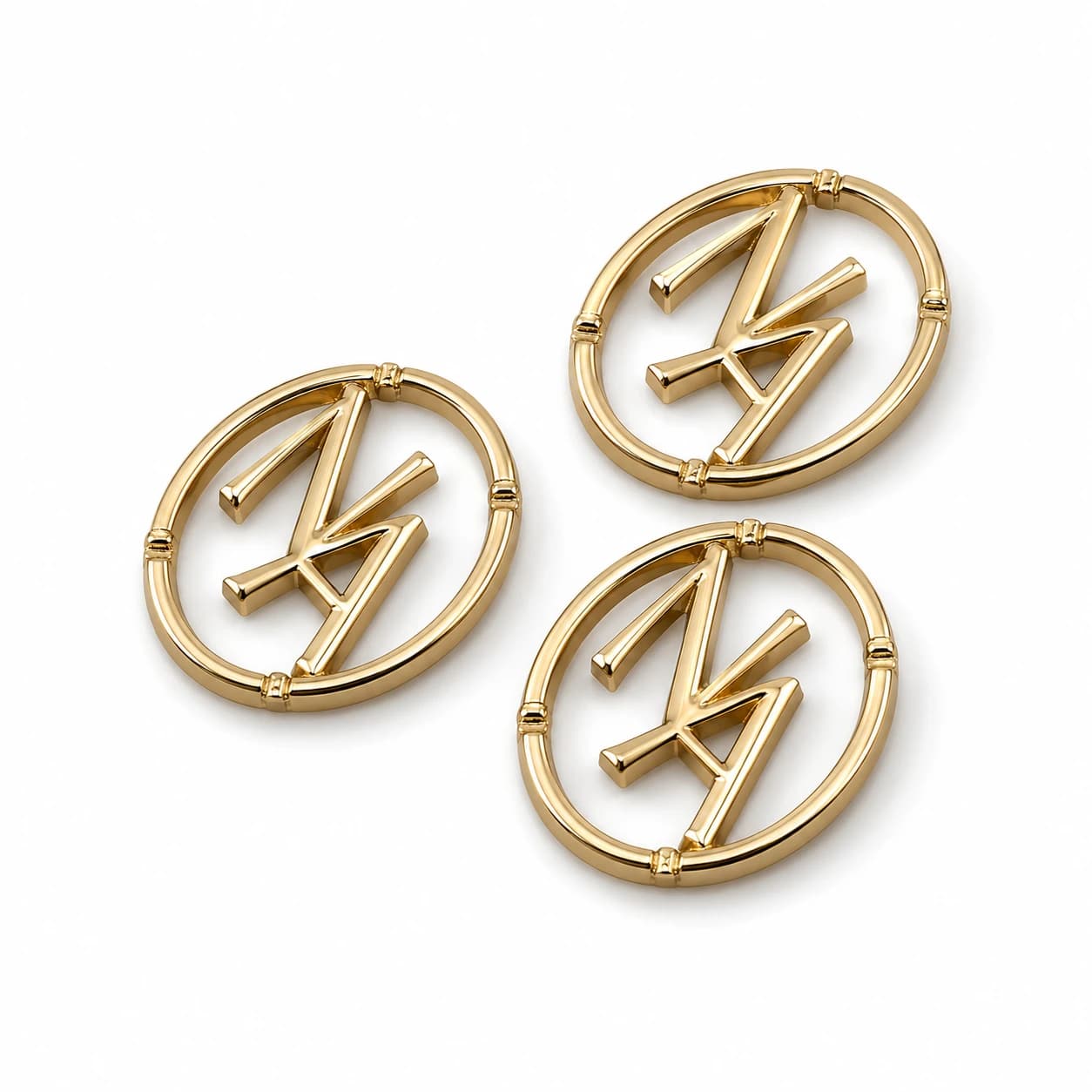
If you want a quote that reflects the real cost rather than a guess, the most useful thing is clarity on what drives the fixed side. Tell us the part and what it is for, roughly how many you need now, and whether an existing style could work or it has to be tooled from scratch. The clearer the brief, the fewer sampling rounds — and the less of that fixed cost you end up paying twice.
- What the part is, and the rough quantity for this run
- Whether it must be a new design, or could build on an existing style
- Artwork or a reference, and the finish direction if you have one
- Any likely reorder, so a phased path can be considered
Practical questions buyers often ask
Why is a small custom order more expensive per piece than a large one?
Fixed costs. The mold, sampling and setup cost about the same regardless of quantity, so on a small run they are split across few pieces and each one carries a bigger share. The metal itself barely changes per piece.
Can I avoid the mold cost?
Sometimes. We keep hundreds of existing molds, so if your design can build on one with a logo or color change, the new-tooling cost largely disappears and you skip a sampling round. A fully custom shape needs its own mold.
Does a bigger quantity always mean a much lower unit price?
Up to a point. The unit price falls mainly as fixed costs spread over more pieces, so the early drop is large and then it flattens — past a certain volume, the metal and labor per piece are most of what is left.
How do I keep a first small run affordable?
Build on an existing style where you can, lock the design before the mold is cut to avoid re-tooling, and flag any likely reorder so a phased path can be considered.
Tell us the part, the rough quantity, and whether it can build on an existing style or needs new tooling. We'll break the cost down honestly — and show you where a small run can be trimmed.
Send Project Details