
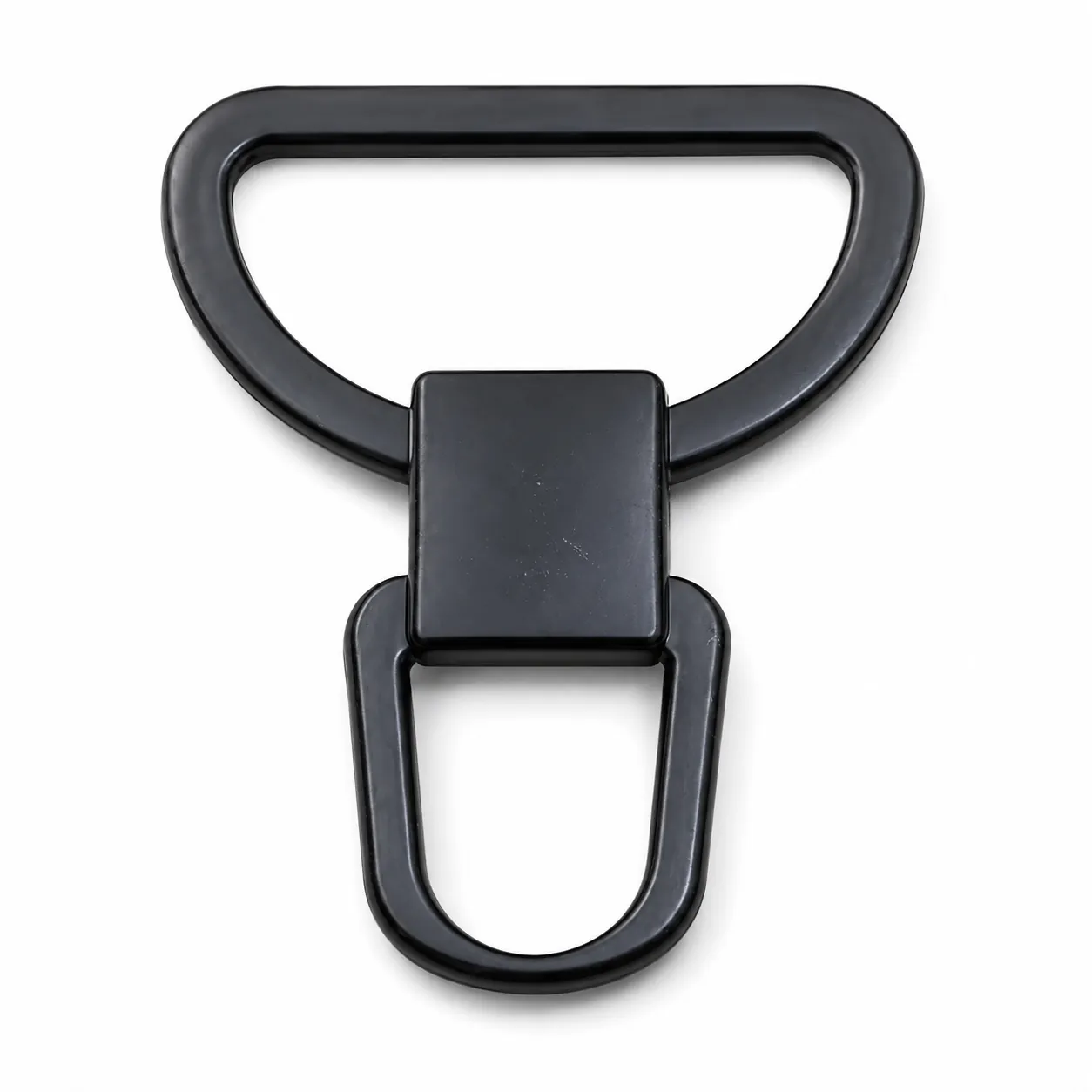
A zipper puller is one of the most handled parts on a bag, jacket or pair of shoes. It is pulled, twisted and rubbed hundreds of times, and it has to match a specific zipper slider to work at all. That combination — high visibility, constant handling and a required mechanical fit — is why pullers cause more avoidable sampling rounds than their small size suggests.
When we quote a custom zinc alloy zipper puller, we look past the front-face design first. The connection to the slider, the way the puller hangs, the finish durability at the grip area and the mounting method decide whether the part works — not just how the logo looks. This guide walks through what to confirm before the first sample.
Quick answer: confirm connection, fit, finish and handling first
Decide the front-face design last, not first. Start with how the puller connects to the slider, what slider or zipper size it must fit, how it should hang, and how much wear the grip area will take. Once those are set, the shape, logo and finish can be designed to suit.
Most custom zipper pullers for garment, bag and shoe projects are die-cast zinc alloy, because it holds sculpted shapes and fine logo relief while accepting a wide finish range. The design freedom is high — but only within a structure that actually fits and survives the zipper it is built for.
- Connection type to the slider (split ring, direct pin, cord, connector)
- Zipper size / slider the puller must match
- How the puller should hang and sit at rest
- Grip area finish durability and handling exposure
Connection type: how the puller attaches to the slider
The connection is the first thing to lock, because it changes the back structure of the part. A puller can attach through a split ring, a direct connector pin, a cord or lanyard loop, or a purpose-built link into the slider. Each needs a different rear design, and each changes how the puller moves.
A split ring is flexible and common, but adds a visible ring and lets the puller swing freely. A direct connector gives a cleaner, more controlled look but must be matched precisely to the slider opening. A cord or fabric loop suits a softer, casual style. The right choice depends on the product, the zipper type and the look the brand wants.
Because the connection sits on the back, it is easy to overlook in artwork that only shows the front. We confirm the connection method and the matching slider early, so the rear structure is designed in from the start rather than added afterward.
- Split ring: flexible, swings freely, adds a visible ring
- Direct connector pin: cleaner look, must match the slider opening
- Cord / fabric loop: softer, casual style
- Purpose-built link: controlled fit, designed to the specific slider
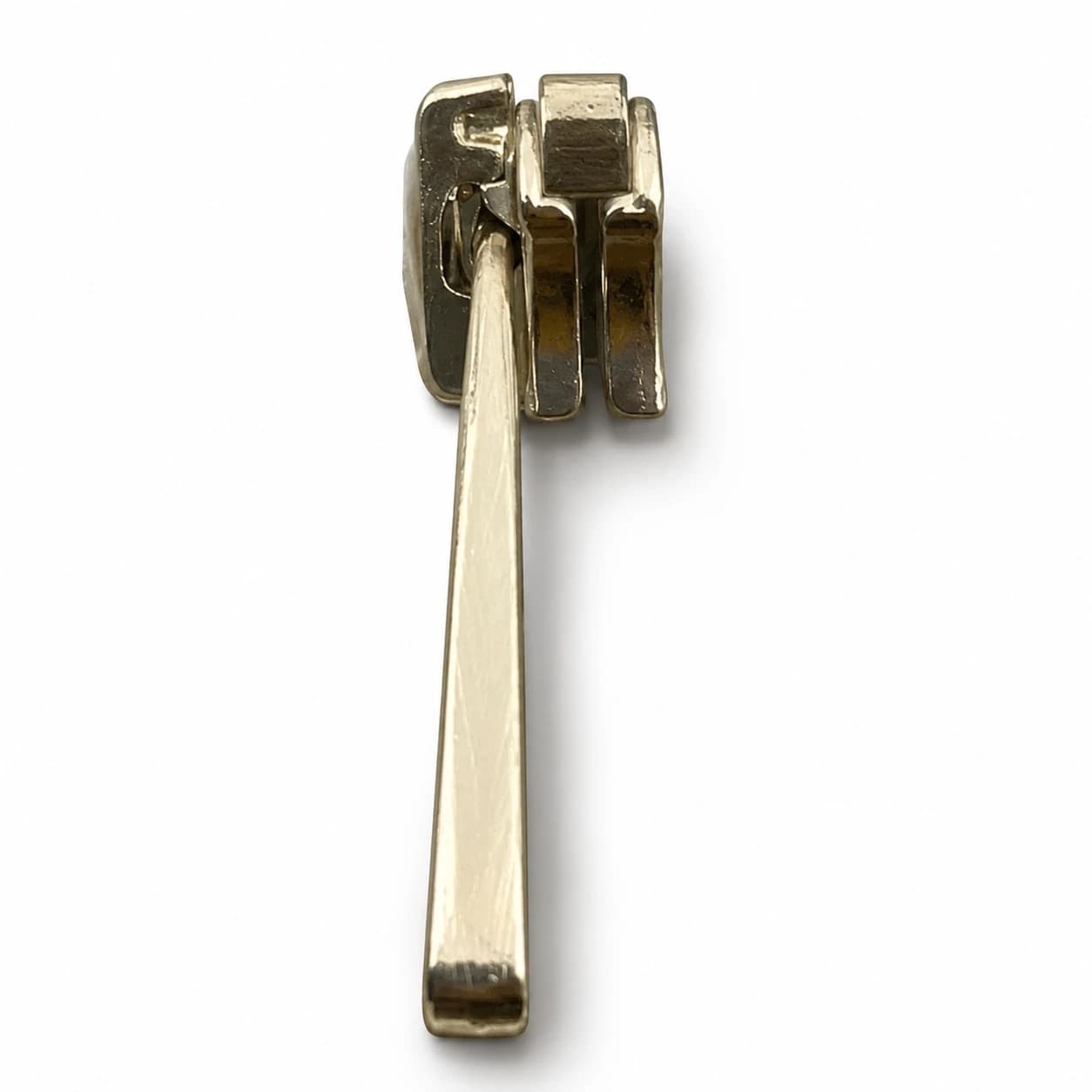
Slider and zipper fit: the detail that decides whether it works
A custom puller has to match a real zipper slider. The connection point, hole size or pin dimension must fit the slider it will be assembled onto — a puller designed without confirming the slider often looks right and fails at assembly.
We ask which zipper size and slider the project uses, or request a physical sample of the slider, before finalizing the connection dimensions. If the zipper supplier is already chosen, matching to their slider avoids a fit problem later. If it is not, we design to a defined standard and note that the slider must match.
This is the single most common reason a puller sample needs a second round. Confirming the slider first is faster than adjusting the connection after the mold is cut.
Puller shape, hang and viewing angle
A zipper puller is usually seen at an angle and in motion, not flat like a logo plate. Its shape and weight distribution decide how it hangs at rest and whether the logo is readable when the product is worn or carried. A design that looks balanced flat can hang crooked or turn the logo away from view.
Weight matters here. A heavier zinc alloy puller hangs with more presence but adds load to the slider on repeated use; a lighter or flatter design sits more discreetly. For larger decorative pullers, we check the hang and the stress on the connection point together.
Logo readability follows the viewing angle. Text and fine detail should be sized for how the puller is actually seen — a mark that works on a large flat bag pull may be hard to read on a narrow garment puller. Simplifying artwork to the real size and angle usually reads better than keeping every detail from the original logo.
Finish and durability at the grip area
A zipper puller is gripped and rubbed more than almost any other hardware part, so finish durability is a real consideration, not a cosmetic one. Antique tones, gunmetal, matte black, gold-tone and polished finishes all behave differently under repeated contact, and the grip area is where wear shows first.
We separate the decorative finish from the wear exposure. A finish that looks correct on approval can rub at the high-contact points over time if the plating and application were not matched. For pullers that see heavy daily use, the finish direction and any wear testing should be discussed by application, not just by tone.
Color fill and inserts can be used on pullers, but the filled area needs enough depth and a protected position so handling does not wear it prematurely. A recessed, bounded fill survives better than one sitting on an exposed high point.
Where zipper puller problems often appear
Most puller problems come from designing the front before confirming the structure and fit.
- Slider mismatch: the connection does not fit the actual zipper slider
- Crooked hang: weight distribution turns the logo away from view at rest
- Grip wear: finish rubs at the high-contact area faster than expected
- Fill loss: color fill sits on an exposed point and wears prematurely
- Unreadable logo: artwork kept at full detail on a narrow puller
- Connection stress: a heavy decorative puller strains the connection over repeated use
What we check before sampling a zipper puller
Before sampling, we translate the design into structural checks against the real part and its zipper.
- Product type and where the puller is used (bag, garment, shoe)
- Connection type and matching slider or zipper size
- Overall dimensions, shape and expected hang
- Finish tone, grip-area exposure and any color fill
- Logo line width and smallest detail vs the part size
- Handling level and any wear-testing requirement
- Estimated quantity
What buyers should send for an RFQ
A front-face design plus the connection and slider information is enough to begin.
- AI, PDF, SVG or EPS artwork when available
- Connection type and the zipper size or a slider sample
- Target dimensions and product type
- Finish direction and any color-fill areas
- Application and expected handling level
- Estimated quantity
Related product examples
These published pullers show how shape, finish and connection interact. They are reference examples only; the connection, slider fit and finish for a new project still need confirmation against approved artwork and the actual zipper.
Practical questions buyers often ask
Do you need my zipper slider to make a custom puller?
It helps a great deal. The puller connection must fit the actual slider, so a physical sample or the exact zipper size prevents a fit problem at assembly. If the zipper is not yet chosen, we design to a defined standard and note the slider that must match.
Can any logo be used on a zipper puller?
Within limits. A puller is smaller and seen at an angle, so fine text and thin lines may need simplifying to stay readable. We compare the smallest detail against the part size before confirming the mold.
Will the finish wear off with daily use?
The grip area sees the most contact, so finish durability depends on the tone and the application. For heavy daily use, we discuss the finish direction and any wear testing rather than choosing by appearance alone.
What connection types can you make?
Split ring, direct connector pin, cord or fabric loop, and purpose-built links into the slider. The right one depends on the product, the zipper and the look you want, and it should be confirmed before the shape is finalized.
Send your puller artwork, the connection type and your zipper size or slider sample. We can check the fit, hang, finish durability and the points that still need sample approval before tooling.
Send Project Details